Five workforce signals from 2025 I cannot ignore

Over the past couple of weeks, I have revisited some of the workforce development trends we were talking about this time last year. What stands out is not how much changed. It is how consistent the signals were.
Clear Paths, Greater Impact

I keep hearing people say, “I don’t know what my next step is.”
That is the problem.
A year ago, clearer career paths were framed as an engagement lever.
Customising Care for Carers and Neurodivergent Employees

The next talent challenge is not wellbeing. It is work design.
One-size-fits-all support is quietly failing parts of the workforce.
Bridging Generational Expectations

The biggest skills gap in 2025 is not AI. It is difficult conversations. Last year, much of the focus was on generational expectations. Different values. Different tolerance levels. Different views on loyalty.
Microlearning without system change is just faster noise

Microlearning is not failing. The systems around it are.
A year ago, the shift towards microlearning made sense.
Managers no longer have the time or headspace for long programmes
From Gatekeepers to Growth Leaders

I am seeing more senior HR leaders “Open to work” than I am comfortable with.
Not juniors.
Not early-career HR.
Experienced People Directors and Heads of HR.
2025: The Year Everything Sped Up

A year ago, many organisations thought (OK, very much hoped) 2025 would be the year things settled.
Instead, it became the year everything sped up.
High Performing Teams Are Built. Not Discovered.

High performing teams rely on structure. See how team performance training, Company Culture Workshops and leadership development create consistent momentum.
Your Team Is Not Difficult. It Is Differently Wired. Why Team Performance Training and Culture Workshops Matter

Working styles shape collaboration. Learn how Company Culture Workshops and team performance training improve communication and build high performing teams.
The BE:DO Balance: Finding Energy and Focus at Work
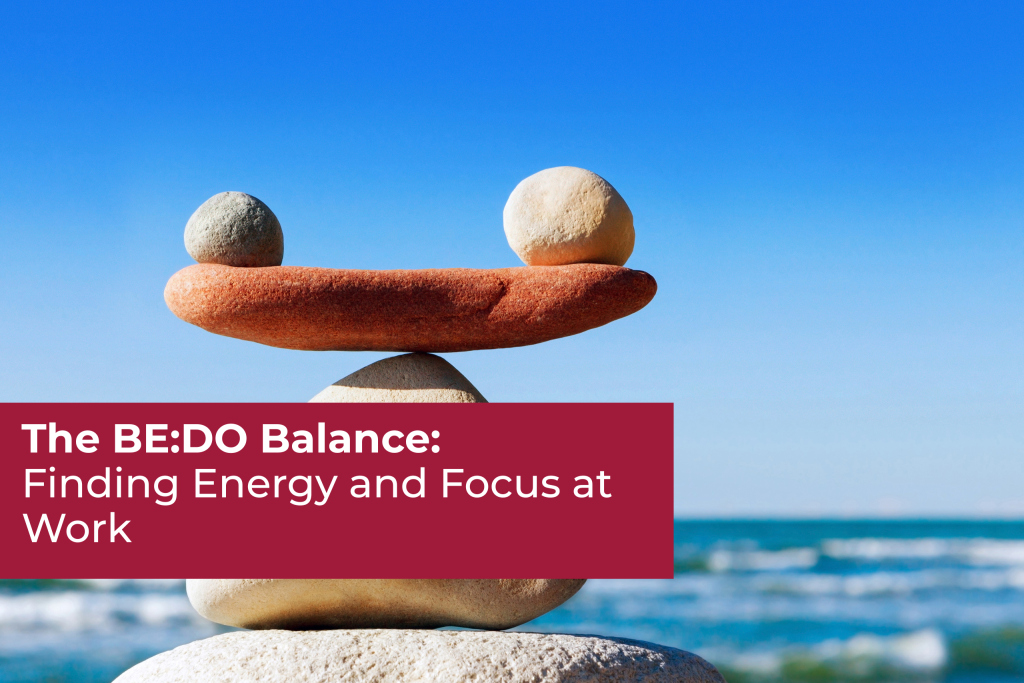
Balance is not about perfect halves; it is about knowing when to be and when to do. The BE:DO Approach was born from my own burnout story