THE PERFORMANCE GUIDE

A strategic whitepaper exploring the hidden operational and
behavioural patterns slowing organisations down under pressure.

What is changing at work, what is getting in the way and what we should do about it.

There is no shortage of commentary about the future of work. The harder question is what any of it means on a Tuesday morning.


The Alpha Lupa Performance Guide looks at the forces shaping work, the friction they are creating and the practical choices organisations can make in response. We combine external research with Alpha Signals from conversations, client work and the patterns we are seeing repeatedly.


A collage of team members experiencing workplace friction and stress, illustrating recurring patterns that stall organizational performance and slow down decision-making.
alt="" (empty - decorative)
View through a large window of an office interior at night, showing a few employees still working late. One person sits on a desk talking on the phone while others huddle over paperwork, illustrating workplace pressure and extended hours.

WHAT WE ARE LOOKING FOR

We are particularly interested in the point where change becomes friction.

Those are useful signals. Because they tell us where Better Work needs to begin.

THE PERFORMANCE GAP

At the centre of the Guide is one question: WHY DOES WORK FEEL HARDER THAN IT SHOULD?

Our work has identified four recurring Performance Barriers:

Together they help explain why capable people can still struggle to turn effort into performance.


A woman with glasses and a black leather jacket sits at a wooden table, looking concerned while talking on a phone and flipping through paperwork with a laptop open in front of her, illustrating the heavy operational load placed on managers.
A group of three colleagues huddled around a high table in a brightly lit, modern office space discussing a document, while blurry figures of people walking past create a sense of constant motion and surface-level busyness.

WHAT WE ARE HEARING NOW

Alpha Signals are the patterns we notice before they become a formal trend. A repeated comment from HR leaders. A frustration managers keep describing. A behaviour appearing across very different organisations.

One signal does not make a trend. Repeated signals are worth paying attention to.

Surface ActivityUnderlying Reality
More communicationLess clarity
More meetingsSlower decisions
More collaborationWeaker ownership
Faster responsesReduced execution quality
Constant activityReduced momentum
alt="" (empty — decorative)

The Four Dysfunctions Driving the Performance Gap

An open-plan industrial office with yellow overhead pipes, where a few employees work at their individual computer desks spread across a central pillar, capturing a disconnected corporate environment.
Dysfunction 1

The Alignment Gap

Many businesses do not lack strategy.
 
They lack shared understanding of what matters most right now.
 
Common signs include:
When priorities constantly shift, people stop committing fully to direction because they assume it may change again next week anyway.
Dysfunction 2

The Culture of Flinching

When pressure rises, challenge often weakens.
 
Feedback becomes softer.
Concerns surface later.
Tension gets managed privately instead of addressed directly.
 
Over time, teams become more hesitant.
 
Problems surface later.
Challenge weakens.
People sense issues early but decide it feels politically safer, quicker or less exhausting not to raise them directly.

A woman with curly hair sits at an office table with her head in her hands, looking visibly stressed and overwhelmed, while colleagues work on laptops and review papers in the background, illustrating tension and hesitant workplace communication.
A woman sitting at her office desk with her eyes closed, holding her glasses in one hand and pressing her hand against her forehead in exhaustion, depicting burnout and severe workload capacity issues.
Dysfunction 3

The Capacity Crisis

Many businesses are carrying far more work than they are willing to admit.
 
Priorities accumulate.
Very little gets removed.
Everything remains important.
 
Which means nothing receives clean focus.
 
Many companies have lost the ability to stop doing things.
Dysfunction 4

The Impact Block

Many businesses are good at starting work.
 
Fewer are consistently effective at embedding and sustaining it.
 
Projects move forward, but accountability often weakens during implementation.
 
Activity remains visible.
 
Impact becomes inconsistent.
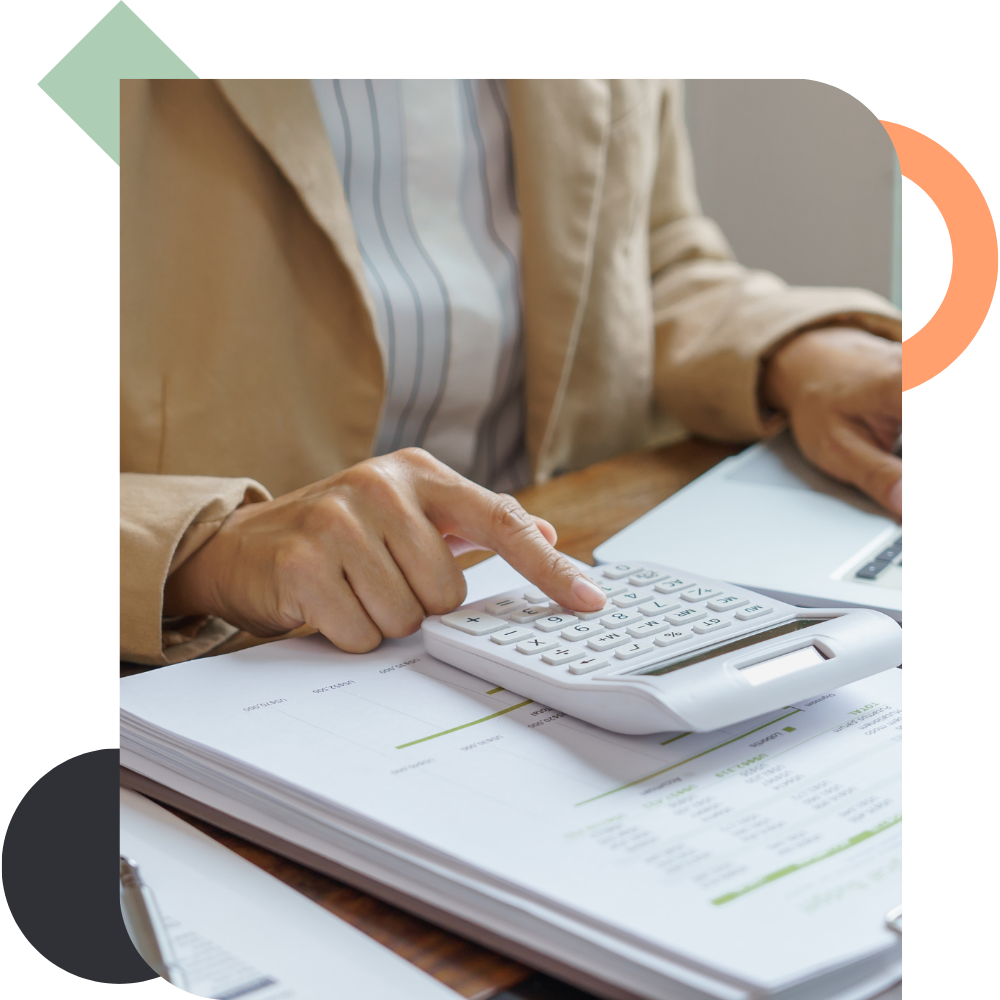
Close-up of a person in a beige blazer using a white desk calculator over a stack of printed financial charts and data reports, illustrating the process of tracking execution and analyzing business impact.
alt="" (empty — decorative)

What Organisations May Be Underestimating

Many leadership teams still treat management capability primarily as a people issue.
 
Increasingly, it is becoming an operational infrastructure issue.
 
Because when managers become overloaded:
The business experiences friction.
 
Managers absorb the friction manually.
 
Work still gets delivered.
Leadership assumes the system is functioning.
 
Meanwhile, the underlying drag continues growing quietly underneath.
 
By the time performance issues become visible financially, many of the behaviours creating them have already become normalised.
A group of professionals engaging in a collaborative workshop, illustrating the Pack Performance System (PPS) designed to reset team operations, communication, and collective decision-making.
“Work still gets delivered. Leadership assumes the system is functioning.”

Final Reflection

Managers leading with clarity and confidence through management development
Most businesses are not short of talented people.
 
They are struggling with the behavioural and operational consequences of sustained complexity.
 
Many companies are still trying to solve modern complexity by asking people to work harder inside increasingly fragmented systems.
 
That approach works for a while.
 
Until coordination replaces momentum.
 
Until managers become bottlenecks.
 
Until friction becomes normalised.
 
And by that point, the business no longer experiences the problem as friction.
 
Work simply feels harder than it should.
alt="" (empty — decorative)

Download the Full Performance Gap Whitepaper

Explore the operational and behavioural patterns slowing modern organisations down under pressure.
Alpha Lupa - Management Development and Team Performance UK