The biggest skills gap in 2025 is not AI. It is difficult conversations.
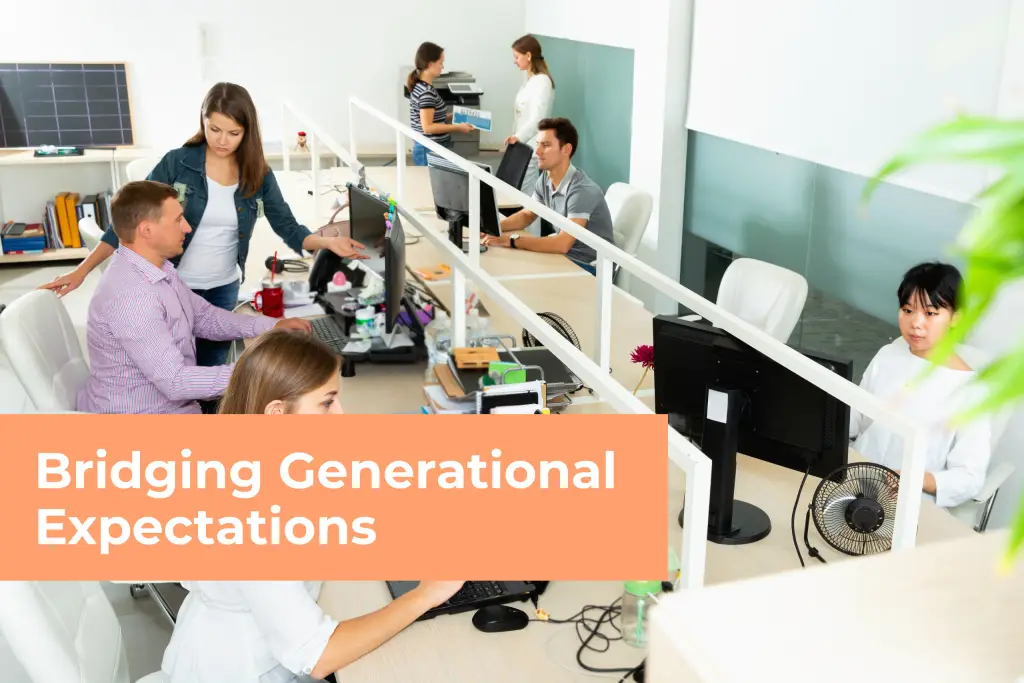
Last year, much of the focus was on generational expectations.
Different values. Different tolerance levels. Different views on loyalty.
2025 sharpened the picture.
What I see on the ground is not generational fragility.
It is management avoidance.
Managers avoiding:
- feedback
- boundaries
- performance issues
- interpersonal tension
When those conversations are delayed, everything drifts.
Issues become personal.
Standards erode quietly.
HR gets involved late, when the situation is emotionally loaded.
Gartner’s work on leadership readiness shows most managers feel under-equipped to lead change. Combine that with flatter structures and wider spans of control, and avoidance becomes understandable, even if it is costly.
Younger employees are not less loyal.
They are less tolerant of ambiguity and inconsistent management.
Many do not aspire to management roles because the stress-to-reward ratio looks broken.
This is not a generational problem.
It is a capability gap.
Prediction
In 2026, organisations will stop framing this as a generational issue and start treating conversation skills as a core business risk. Those that rebuild these skills will see faster performance and lower attrition. Those that do not will keep paying for avoidance in rework, conflict and exits.
Future-proof your culture with empathy and evidence.
Balancing generational expectations and modern care requirements is the new leadership gold standard. Discover the data-driven steps to building a truly inclusive workforce in our [2025 Trend Report].